Mortise Lock Repair & Replacement
Brampton's older housing stock — from the Century-era brick semis along Main Street North to the mid-century detached homes in the Bramalea corridor — was built when mortise lock sets were the industry standard for entry doors. Unlike a modern cylindrical knob-and-deadbolt combination, a mortise lock is a single, self-contained mechanism that drops into a precisely routed pocket inside the door stile, housing the latch, deadbolt, and sometimes a nightlatch all in one cast-iron or steel body. Decades of hard Canadian winters, salt air, and repeated use take a real toll on these mechanisms, and when one starts to bind, fail, or simply falls apart, the repair is not a simple knob swap — it demands a locksmith who understands the geometry and tolerances of vintage hardware.
Open 24 hours, 7 days a week · Licensed, bonded & insured
Brampton Pro Locksmith is a 24/7 mobile locksmith service built around exactly this kind of specialized work. Our trained, insured technicians come directly to your door — no need to remove hardware and drive across the city — and carry an extensive stock of replacement lock bodies, mortise lock cylinders, trim sets, and compatible modern alternatives. Whether your original unit is repairable or needs a full swap, we diagnose it on-site, give you a firm up-front price before a single screw is turned, and work with damage-free techniques wherever the door and frame allow. Call (289) 906-2739 any time — day or night.
What we do
Available 24/7
Day, night, weekends and holidays — a real local locksmith answers and rolls a fully-stocked van.
Fast local response
Based in Brampton, we reach the Brampton area in well under an hour.
Insured & background-checked
Vetted technicians, up-front pricing, and no surprise add-ons when we arrive.
Damage-free entry
We pick and bypass locks the right way, so most lockouts are solved without drilling anything.
What Is a Mortise Lock and Why Older Brampton Doors Rely on Them
A mortise lock is fundamentally different from the surface-mounted hardware most homeowners replace themselves at a hardware store. The lock body — containing the latch bolt, deadbolt, strike mechanism, and internal cam — sits entirely within a rectangular mortise (pocket) cut into the edge of the door. The exterior and interior trim, whether an ornate brass escutcheon on a heritage home near Gage Park or a plain steel rose plate on a Bramalea rental unit, are purely cosmetic; all the security work happens inside the door itself. This design is genuinely stronger under kick and pry attacks than a standard cylindrical lock set, because the bolt throw engages a deep strike pocket and the mechanism is backed by the full thickness of the door stile rather than sitting in a shallow bore hole.
The tradeoff is complexity. A mortise lock set contains dozens of small components — case springs, hubs, cams, tailpieces, lever linkages, and the mortise lock cylinder itself — any of which can corrode, fatigue, or break after 30 to 50 years of service. When the latch stops retracting smoothly, the deadbolt sticks halfway, or the cylinder spins without moving the cam, the cause is almost always internal. Attempting to force the mechanism or strip the trim without the right tools risks splitting an irreplaceable door stile, especially on solid-wood heritage doors where the mortise pocket was hand-cut. Our technicians have seen every failure mode these locks produce, and we carry the diagnostic tools to identify the culprit without guesswork.
Mortise Lock Repair and Replacement: What the Job Actually Involves
A proper mortise lock repair or replacement follows a clear sequence. First, the technician removes the exterior and interior trim, extracts the mortise lock cylinder, and draws the lock body out of the pocket — a process that sounds straightforward but requires knowing the exact screw locations and release sequences for each manufacturer's design. Brands like Corbin Russwin mortise lock bodies and Baldwin mortise lock sets use proprietary internal geometries, and mixing components from different manufacturers almost always causes misalignment. Once the body is out, we inspect the case, springs, cams, and hubs under good light. If the failure is a broken case spring or a worn hub, we can rebuild the existing body on-site. If the body itself is cracked, severely corroded, or a discontinued size that cannot be re-keyed safely, replacement is the right call.
Replacement introduces its own set of decisions. The new lock body must match the existing mortise pocket dimensions — typically 3-7/8 inches by 1 inch on older North American doors — or the pocket must be carefully enlarged, which we do with precision chisels and routers, never with a pry bar. We then install the new unit, test the latch and deadbolt throw against the strike, adjust the strike plate if needed, reinstall the mortise lock cylinder (or fit a new cylinder keyed to your existing key if you request it), and cycle the mechanism dozens of times before we declare the job complete. For clients on Brampton's heritage register or in older Peel Region neighbourhoods with original door joinery, we take extra care to preserve the door stile integrity and match trim profiles as closely as possible. If you are dealing with an urgent failure, do not wait — call (289) 906-2739 and our mobile team will be on the way.
Specialty Mortise Lock Situations: Sliding Doors, Commercial Doors, and Modern Upgrades
Not every mortise lock job is a standard residential entry door. Sliding door mortise lock mechanisms — common on older Brampton patio and commercial storefront sliding systems — use a hook-bolt or multi-point latch design that engages a track-mounted strike. These fail differently from swinging-door bodies: the hook bolt often bends under lateral force, the spring tension degrades, or the connecting rod between the handle and the lock body strips its threads. Our commercial locksmith capabilities extend to these units, including multi-point locking systems on heavy aluminum storefront doors along Queen Street and Kennedy Road commercial corridors.
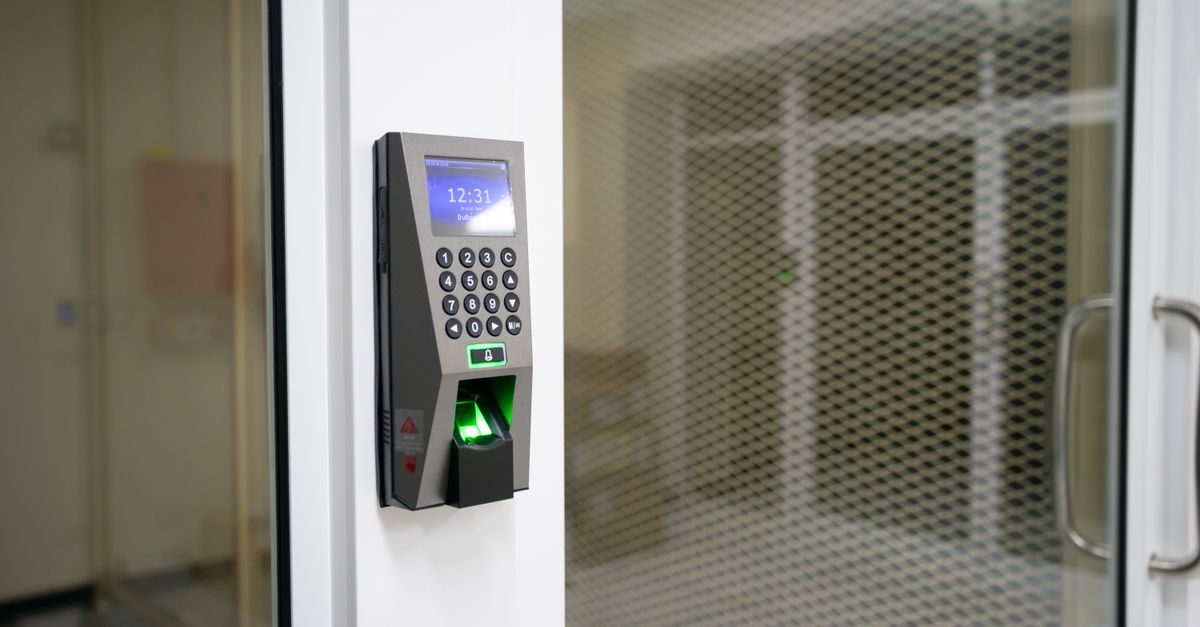
We also field growing interest in electric mortise lock systems, which replace the manual cam with a solenoid or motor-driven actuator, allowing keycard, fob, or smartphone credential access while keeping the same mortise pocket and door hardware footprint. This is a genuine upgrade path for Brampton property managers and small businesses who want access control without replacing their entire door frame. Similarly, smart mortise lock products now exist from several hardware manufacturers that fit standard mortise pockets and add Bluetooth or Z-Wave credentials alongside a physical key cylinder. We can advise on compatibility, source appropriate units, and handle the full installation and programming so the system works correctly from day one. Whether the project is a simple door knob lock swap on a single residential unit or an electric mortise lock retrofit across a multi-tenant commercial property, our trained technicians handle it as a single, managed service call.
What Determines the Cost — and How We Quote
Pricing for mortise lock work is not one-size-fits-all, and we think it is important to be straightforward about that. The final quote depends on several specific factors: the lock body size and brand (a standard 3-7/8-inch body costs far less to source than a rare Corbin Russwin or Baldwin mortise lock set in a discontinued profile), whether the existing mortise pocket needs modification, the time of day the call comes in (our 24/7 availability means some calls arrive at 2 a.m. in February — that context is reflected in the rate), travel distance within the Brampton service area, and whether you need new cylinders, new trim, or re-keying at the same visit. We confirm an exact price with you before any work begins — no surprises on the invoice. Our technicians are insured, arrive in a marked mobile unit, and carry a professional inventory of parts so that most jobs are completed in a single visit. To schedule a non-emergency appointment or reach us during an after-hours failure, call (289) 906-2739 — we answer around the clock.
Frequently asked questions
How do I know if my entry door has a mortise lock rather than a standard cylindrical lock?
Look at the edge of your door where it meets the frame. A mortise lock will show a tall, narrow faceplate — typically 7 to 8 inches high and about 1 inch wide — running vertically along the door edge, with both a latch bolt and a deadbolt projecting from it. A cylindrical lock set, by contrast, has a small circular faceplate and relies on a separate deadbolt above it. If your door has a single tall faceplate with both bolts, you have a mortise lock. Many Brampton homes built before the 1980s were fitted with this hardware from the factory.
Can you re-key my mortise lock cylinder so it matches my other door keys?
Yes. Mortise lock cylinders are removable components — typically a standard figure-8 or oval cam cylinder — and re-keying them to match an existing key or a new master is a routine part of the service. In most cases we can re-key on-site during the same visit as a repair or replacement. If the cylinder is heavily worn or a brand that no longer supports pin replacement, we will recommend a direct cylinder swap and key it to your specification.
My sliding patio door lock is broken — is that a different type of service call?
Sliding door mortise lock mechanisms are a distinct style from swinging-door bodies, but the service call process is the same: our mobile technician comes to you, assesses the hook bolt, latch, connecting rod, and track strike on-site, and carries common replacement bodies for aluminum and vinyl sliding systems. We handle these regularly for both residential patio doors and commercial storefront sliders in the Brampton area, so there is no need to source parts separately or wait for a specialty order in most cases.
Is it worth repairing a very old mortise lock set, or should I just replace it?
It depends on the condition of the case and the availability of internal components. If the lock body itself is structurally sound — no cracks in the cast housing, no severe corrosion inside the case — and the failure is a broken spring or worn hub, a rebuild is usually the faster and more cost-effective route and preserves the original hardware on heritage doors. If the body is seized, cracked, or a size and profile that is no longer manufactured, replacement with a compatible modern body is the better long-term solution. Our technician will give you an honest assessment of both options and their respective costs before you decide.
Do you work on electric mortise lock systems for commercial doors?
Yes. Electric mortise lock installations and repairs are part of our commercial locksmith services. We work with solenoid-driven and motor-driven electric mortise lock bodies used in access-control applications on office buildings, retail units, and multi-tenant residential properties. If the existing door already has a standard mortise pocket, retrofitting an electric unit is often straightforward. We can also advise on power supply requirements and help coordinate with your access-control panel if one is already installed.
What information should I have ready when I call about a mortise lock problem?
It helps to know roughly how old your door is, whether you can see a brand name stamped on the faceplate or cylinder face (such as Corbin Russwin or Baldwin), and what the door material is — solid wood, hollow-core, steel, or aluminum — since that affects the repair approach. A quick photo of the faceplate edge and the trim escutcheon sent to us before the visit can help our technician bring the most likely replacement parts. That said, our mobile units are stocked for a wide range of scenarios, and if we arrive and find a less common unit, we will source the part and schedule a follow-up at no additional call-out charge. Reach us any time at (289) 906-2739.
Locked out or need a lock fixed? We are on the way.
Open 24 hours, 7 days a week · Insured, background-checked technicians · Up-front pricing
(289) 906-2739