Brampton Pro Locksmith Service Team
Local locksmith team
Aug 7, 2026 11 min read
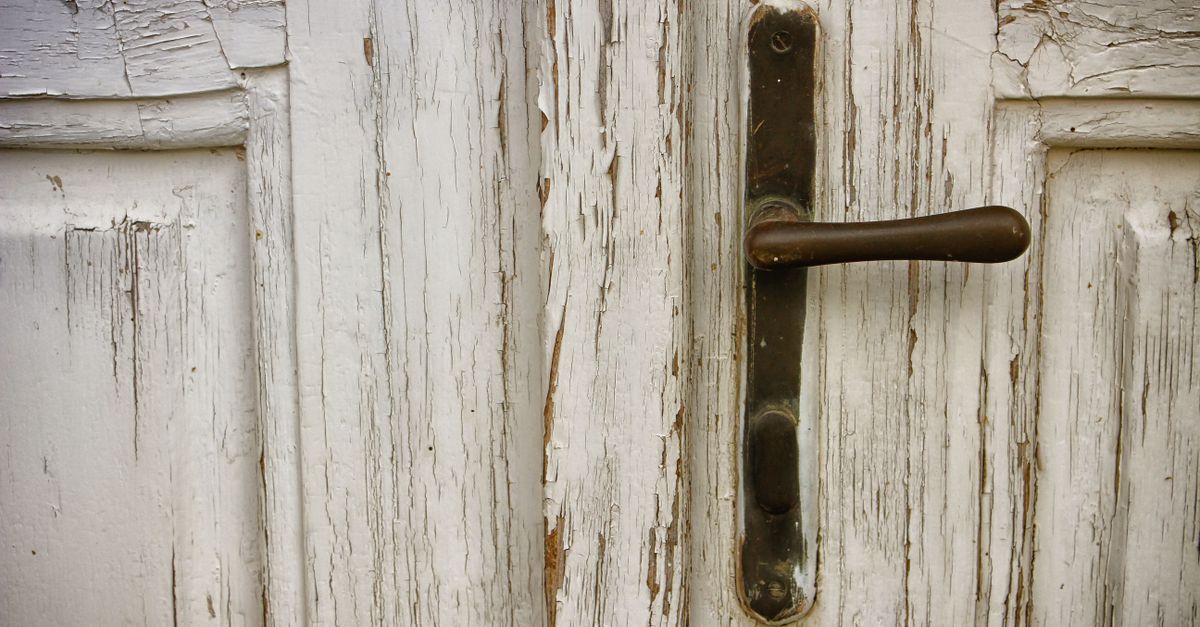
A wobbly door knob lock is one of those problems Brampton homeowners tend to ignore — until it becomes a locked-out emergency on a February night in the Peel Region. Whether the knob spins uselessly, the latch refuses to retract, or the key turns but nothing catches, most of these issues have a root cause you can identify in five minutes with a screwdriver and a flashlight. Some you can fix yourself. Others are quiet warning signs that the hardware is failing and needs a professional before it fails completely.
This guide walks you through the most common reasons a door knob with lock starts misbehaving, the simple checks any homeowner can do right now, and the specific symptoms that mean it is time to stop tinkering and call a trained locksmith. We will also cover mortise lock faults, since many Brampton homes — especially older detached and semi-detached houses along streets like Main Street North and Queen Street East — still rely on mortise-style hardware that looks fine from the outside but hides worn internal components that a standard knob-lock fix will not solve.
## Why Your Door Knob Lock Is Loose or Sticking
A door knob with lock has more moving parts than it looks. Inside the rose plate and spindle assembly sit a spring-loaded latch mechanism, a cam, a retaining clip, and — in keyed models — a cylinder with a series of spring-loaded pins. Any one of these can wear, corrode, or come loose over years of daily use. The three most common culprits are: a loose set screw that lets the knob rotate without engaging the latch, a dry or corroded latch mechanism that makes the bolt drag in the strike plate, and a worn cylinder that causes the key to turn without fully retracting the latch. Each produces a different symptom, and identifying the right one saves you from replacing hardware you did not need to replace.
Climate matters here. Brampton winters push wood door frames through repeated freeze-thaw cycles, causing the frame to swell, shift, and put lateral pressure on the latch bolt. What feels like a failing knob lock is sometimes just a misaligned strike plate. Before you order new hardware, spend two minutes checking the door gap and watching where the latch contacts the plate. If you can see the latch hitting the edge of the strike-plate opening rather than sliding cleanly into it, the door or frame has shifted — not the lock itself.
## Simple DIY Checks to Try on a Wobbly Door Knob Lock
Start with the set screw. Most door knob assemblies have a small Phillips or hex-head screw hidden under the knob or along the shank. If this screw has worked loose, the knob will wobble or spin without turning the spindle. Tighten it snugly — but do not overtighten, or you will crack the rose plate. Next, remove the knob entirely (most snap off after pressing a small release pin with a straightened paperclip), pull the rose plate, and look at the spindle bar. If it is bent, cracked, or corroded, that is your problem and a replacement knob set will fix it. Hardware stores in the Bramalea and Heart Lake areas stock standard 2-3/8 inch and 2-3/4 inch backset knob sets that cover the vast majority of Brampton residential doors.
For a sticking latch, the fastest fix is lubrication. Use a dry graphite lubricant or a PTFE-based spray — never WD-40, which attracts dust and gums up pin tumblers over time. Spray it into the latch bolt opening and work the knob several times. If the latch still drags, remove the faceplate screws and pull the latch cartridge. Check whether the latch body is bent or the spring is broken. A replacement latch cartridge costs very little and installs in minutes. If the latch moves freely once removed but binds when the door is closed, the problem is strike-plate alignment, not the knob lock itself — loosen the strike-plate screws, shift the plate toward the latch's actual contact point, and retighten.
## Mortise Lock Faults — A Different Problem Entirely
If your door has a large rectangular lockset recessed into the edge of the door slab — common in Brampton homes built before the 1980s and in many commercial storefronts along Kennedy Road and Steeles Avenue — you have a mortise lock, not a standard cylindrical knob lock. Mortise locks are more complex, more durable when maintained, and considerably harder to self-diagnose. They contain a full case with a deadbolt, a latch bolt, a cam follower, and sometimes an auxiliary latch, all in one housing. When a mortise lock starts sticking, the cause is usually one of three things: a broken or fatigued internal spring, a worn cam follower that lets the thumb-turn spin without moving the bolt, or corrosion inside the case from decades of condensation.
Do not attempt to disassemble a mortise lock case without experience — the internal spring tension can launch small components across the room, and reassembly requires knowing the exact cam orientation for your specific lock model. A trained locksmith who specialises in mortise lock service can strip, clean, re-spring, and re-assemble the case in place, or source a direct-replacement case if the internals are too worn to restore. This is a core part of what our team at Brampton Pro Locksmith handles on residential and commercial calls throughout Brampton. If you are unsure whether you have a mortise-style unit or a standard cylindrical knob lock, look at the edge of the door: a mortise lock has a large rectangular faceplate, typically 7–8 inches tall. A standard knob lock faceplate is small and round or oval.
## Warning Signs That Mean You Need an Emergency Locksmith
Some door knob problems are inconvenient. Others are security emergencies. Call a professional immediately if you notice any of the following: the key turns but the latch or bolt does not move at all (the cylinder or cam has failed and the door may not lock properly); the knob turns freely in both directions with no resistance (the spindle has sheared, meaning the door cannot be latched from inside either); you can see daylight or feel cold air around the latch area (the door has shifted enough that the latch no longer engages the strike, meaning forced entry is trivially easy); or the lock has been visibly tampered with — scratches around the keyhole, a bent faceplate, or a cylinder that wobbles when the key is inserted. That last cluster of signs warrants an emergency locksmith call, not a DIY attempt, because tampering sometimes means the lock has been partially defeated and further manipulation can damage evidence or worsen the vulnerability.
A door knob with lock and key that has been compromised also raises the question of re-keying versus full replacement. Re-keying changes the internal pin configuration so existing keys no longer work — it is faster and costs less than full hardware replacement, and it is the right call when the cylinder is still mechanically sound but your key control has been lost (a tenant moved out, a key was stolen, or you moved into a previously owned home). Full hardware replacement makes more sense when the lock body itself is worn, damaged, or too old to re-key reliably. Our team will inspect the hardware on-site and tell you exactly which option applies before any work begins. If you are dealing with a situation like this right now, call (289) 906-2739 — we are available around the clock and can be on-site anywhere in Brampton typically within the hour.
## What About Bedroom Door Knobs and Interior Locks?
A door knob with lock for bedroom use operates on a privacy-lock mechanism — a push-button or twist-turn on the interior rose that drives a small pin through the spindle, blocking rotation from the outside. These are not high-security locks and are not meant to be. They are designed to provide privacy, not resistance to forced entry. When a bedroom door knob lock jams — either locked with no one inside, or failing to lock at all — the fix is usually straightforward. Most manufacturers build a small emergency release hole into the exterior knob face; inserting a thin straightened pin and pressing releases the privacy button from outside. Check your lock body for that small hole before calling anyone.
If the privacy mechanism is broken internally — the button no longer springs back, or the pin is stuck — the knob set usually needs to be replaced rather than repaired, because the internal components are not sold separately for most residential privacy locks. Schlage and Kwikset both make direct-replacement knob sets in standard backset sizes that a homeowner can swap in about 20 minutes with a Phillips screwdriver. However, if the door itself is sticking or the frame has shifted, fixing the knob without addressing the frame will just reproduce the problem on the new hardware. Our team regularly handles exactly these combined repairs — frame adjustment plus new hardware installation — on residential calls across Brampton neighbourhoods from Springdale to Bram West.
## Commercial Locksmith Needs for Business Owners in Brampton
For Brampton business owners, a sticking or loose knob lock on a commercial door is not just an inconvenience — it is a liability. Commercial doors on offices, retail units, and light industrial spaces along Airport Road and Dixie Road typically see far more cycles per day than a residential door, which means internal wear happens faster. Commercial-grade knob locks are built to ANSI Grade 1 or Grade 2 standards, and repairing or replacing them correctly requires familiarity with commercial hardware, closer specifications, and master-key system compatibility. Fitting a residential-grade replacement on a commercial door voids any warranty and may leave the door non-compliant with your lease or insurance policy.
A commercial locksmith call from our team includes an on-site assessment of the full door hardware assembly — knob or lever, mortise lock case if present, closer alignment, and strike-plate condition — not just a swap of the visible part. We also work with master-key systems, so any new hardware we install can be integrated into your existing key hierarchy without re-keying every lock in the building. Factors that affect the final quote on a commercial call include the grade and brand of hardware required, whether a mortise lock case needs to be sourced, travel to your specific Brampton location, and time of call. We confirm an exact price before any work starts — no surprises on the invoice. Reach us any time at (289) 906-2739.
Frequently asked questions
How do I know if I have a mortise lock or a standard door knob lock?+
Look at the edge of the door slab — the narrow strip of the door you see when it is open. A mortise lock has a large rectangular faceplate, typically 6 to 8 inches tall, recessed into the door edge. A standard cylindrical knob lock has a small round or oval faceplate, usually 2 inches or less. If you are still unsure, a quick call to our team at (289) 906-2739 and a photo sent to us can confirm the hardware type before you purchase any parts.
Can I pick my own door knob lock if I am locked out?+
We get this question often. Picking a lock without training and proper tools almost always damages the internal pin stack, which can turn a simple lockout into a full cylinder replacement. Beyond the hardware risk, attempting to pick or bypass a lock — even your own — can create legal complications if a neighbour or passerby calls police before you can establish ownership. The safer, faster approach is to check for a spare key with a trusted neighbour, try any secondary entry points you have access to, and then call an emergency locksmith. Our team verifies ownership on arrival and can open most residential knob locks non-destructively, protecting your hardware in the process.
Is it worth repairing a sticking door knob lock or should I just replace it?+
Repair makes sense when the lock body is mechanically sound and only one component — a latch cartridge, a set screw, a worn spindle bar — has failed. It also makes sense for quality mortise locks, where the case itself is built to last decades and only the internals need servicing. Replacement is the better call when the cylinder is worn beyond re-keying, the lock body is cracked or corroded, the hardware is below Grade 2 on a frequently used door, or you have lost key control and want to upgrade security at the same time. Our technicians inspect on-site and give you a clear recommendation with the reasoning behind it before quoting any work.
What factors affect the cost of a locksmith call in Brampton?+
Several things influence the final price: the type and grade of hardware involved (a standard residential knob lock differs significantly from a commercial-grade mortise lock assembly), whether parts need to be sourced or are already on the truck, the time of day and day of week, and travel distance to your specific address within the Brampton area. We confirm an exact up-front price before any work begins, so you always know what you are agreeing to. Call (289) 906-2739 any time — we answer 24 hours a day, seven days a week.